
What is Screen Addiction?
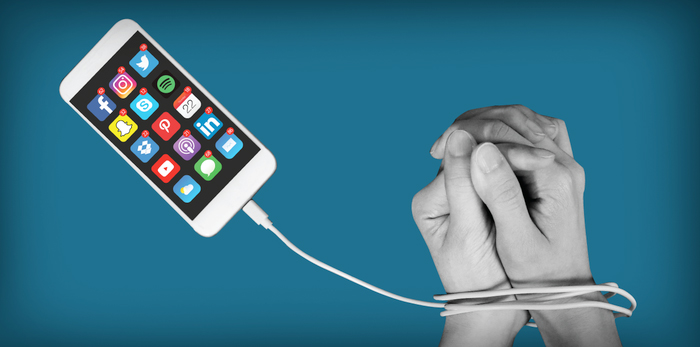 Screen addiction is the excessive use of smart phones, computers and tablets. People of all ages are preoccupied and fixated with screen watching and scrolling which anesthetises boredom and a general sense of worldly disconnect. Dopamine (the feel-good hormone in the brain) is activated by a contrived sense of reality brought about by feeling a sense of worth and control through loose associations with profiles, stories and videos posted and general social media interaction. The temporary sense of power and control is addictive and repeated screen use contributes towards deteriorating mental and physical health. Dishonesty regarding screen watching is very common and withdrawal symptoms can cause anxiety, anger, restlessness, irritability, eye strain, neck and back pain and can negatively impact time keeping and create poor sleeping patterns.
Doomscrolling
This is when a person spends many hours watching and absorbing large amounts of depressing, sad or negative news on social media and various websites including the ‘dark web’. This is also known as Information Seeking Addiction. Even when a level of discomfort is involved the scroller may find it difficult to stop scrolling, negatively impacting their mental health.
Gaming Addiction-Pornography-Gambling & Shopping
These screen addictions slightly differ as the scrolling is focussed on one specific topic and they can quickly lead to uncontrollable expenditure, debt and even theft. These screen addictions are highly addictive and entice users to submit their banking details in order to access a more personalised experience. Unfortunately, all of these alluring sites are readily available on computers and smart phones and so a gambler, for example can gain access at any time of the day or night and become so immersed in the ritual that the user loses all sense of time, responsibility and the increasing costs.
Behavioural Symptoms
- Obsessive: Constantly thinking about screen time or needing more time to feel satisfied.
- Loss of control: Inability to stop or reduce screen use, such as endless scrolling despite some awareness of the consequences and desperately wanting to sleep.
- Withdrawal: Experiencing anger, frustration, anxiety, mood swings and irritability when devices are removed, hidden or broken.
- Lying and secretive: Lying about the amount of time spent on screens or using a device at night while others are asleep.
- Decline in moral values: General self-care can take a back seat, low motivation regarding family, friends and work. Cavalier attitude and judgemental.
- Continued use despite ongoing consequences: Failing to stop even when it causes strained relationships or poor performance.
Physical and Mental Health Symptoms
- Disrupted sleep: Using screens late at night leading to poor sleep patterns.
- Physical discomfort: Eye strain, headaches, neck/shoulder pain, or carpal tunnel syndrome.
- Emotional regulation: Boredom, increased unpredictable moods and can be highly dramatic and irritable when away from devices.

Registered with the South African Department of Social Development under the Prevention of Treatment for Substance Abuse Act 2008
Registration No: 15/10/3/4/2-16/2024
REGISTER FOR OUR NEWSLETTER
95 Longships Drive
Plettenberg Bay, 6600
NEWS & ARTICLES
Dual Diagnosis: A Simple Guide
When someone is struggling with both a mental health disorder and a drug addiction at the same time, it’s called dual diagnosis (also known as co-occurring disorders). READ MORE