
Twin Rivers Recovery Trauma Treatment
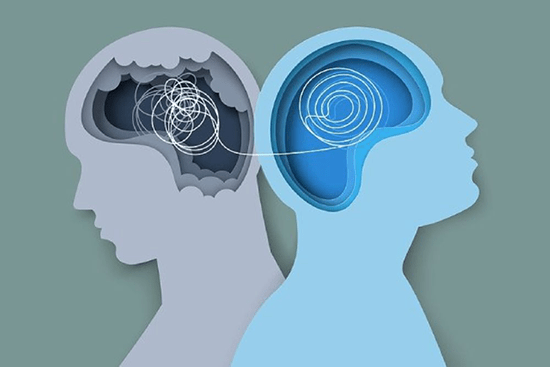
Healing cannot happen under pressure
Trauma healing is not about immediately revisiting painful memories, neither is it about completely ignoring them! Sometimes there’s a strong push in treatment centres to work through trauma with limited attention given to the client’s nervous system which could be frozen and numb (Hypo-arousal) or is in a state of Hyper-arousal (anxious, angry, reactive).
Yes, there are a number of therapeutic processes that can be carried out when it comes to helping a client suffering from traumatic experiences but there are other important, basic elements that mustn’t be overlooked so as the client can stabilize and gradually pull away from destructive patterns of thinking and behaving. Gentle, compassionate supportive persistence can dilute resistance.
The Quiet Side of Trauma Recovery
Recovery community support starts with the treatment clinical team. Personal traumas and the vicarious nature of working with ‘impacted’ clients must be regularly addressed through supervision and staff training. To be trauma informed positively impacts clinical team cohesion which quietly reassures and holds clients in their new and unfamiliar setting.
Not Everything Needs to be Pulled Apart Immediately!
Twin Rivers Recovery is a family run facility that both understands and appreciates that by the time a client is admitted to our programme they are often stressed and in crisis that are probably impacted by past trauma. This is why we individually assess our clients to better understand their more immediate psychological needs, such as relationship stressors, rising shame and guilt, self-doubt, denial or emotional instability. Quite typically, clients bounce their thoughts and feelings between the past and the future with little concept of the present. More listening and less probing into the past is more productive than jumping into the past.
Grief & Loss
This aspect of a client’s recovery journey is easily overlooked in treatment. Many clients experience grief which is displayed in a way that is not immediately recognisable as grief related. An angry client may be totally unaware that their attitude and behaviour is grief related and fuelled by a sense of loss and possible betrayal. Loss of childhood does come up for some clients whereby; due to their childhood environment they had to ‘grow-up’ too quickly in an attempt to manage and hide poor family dynamics from the rest of the world. Grief can become compounded with ‘new’ grief such as the loss of drugs and alcohol. Some people balk at this concept but if your closet companion has been drugs and alcohol for many years then the sudden loss can be potent and troublesome for many clients. There is so much to be be mindful of, way in advance of exploring Acute, Chronic or Complex trauma.
Family of Origin
A clients world view when they arrive at Twin Rivers Recovery is usually negative. Unwittingly, clients are prone to recreating their dysfunctional family of origin and so like to test the environment and throw a few emotional hand grenades around, seeking reactions that are familiar to them. Twin Rivers Recovery’s clinical team are trained to respond to such behaviour and gradually our clients calm down when they feel less threatened and safe and begin to trust a vaguely recognisable life changing opportunity.
Sympathetic Nervous System
Many clients feel stressed about being in treatment which can ignite wanting to dig in and react (fight response) or wanting to run away or create chaos in the hope of being discharged (flight response). Some clients shut down (freeze response) or get lost in chronic people pleasing (fawn response). These ‘coping’ mechanisms are very common responses as clients are understandably unsettled, fearful, have unstable identities and feel socially inept making it difficult to know who to trust and how to behave. Many clients literally have to ‘guess’ how to be each day due to lack of personal insight and so employ one of the above responses to survive.
Good Food-Sleep & Exercise
Freshly prepared food daily, regular walks to the beach, training at the local gym, meditation, yoga, local excursions and down time all contributes in creating a safe, healing and holding environment that paves the way towards psychotherapeutic processes that help clients to recognise and manage PTSD symptoms and process distressing past events, learn to manage triggers and improve emotional regulation.
In good time there is great value in peeking at the past as this helps to better understand present day thoughts, feelings and behaviours. These connections assist in identifying areas of essential change that can gradually lead to setting realistic short-term goals for the future.

Registered with the South African Department of Social Development under the Prevention of Treatment for Substance Abuse Act 2008
Registration No: 15/10/3/4/2-16/2024
REGISTER FOR OUR NEWSLETTER
95 Longships Drive
Plettenberg Bay, 6600
NEWS & ARTICLES
Dual Diagnosis: A Simple Guide
When someone is struggling with both a mental health disorder and a drug addiction at the same time, it’s called dual diagnosis (also known as co-occurring disorders). READ MORE